G-ACT Foundation
FIELD EVIDENCE

On-the-Ground Implementation

G-ACT's implementation science work is grounded in sustained, on-the-ground engagement with frontline health systems.

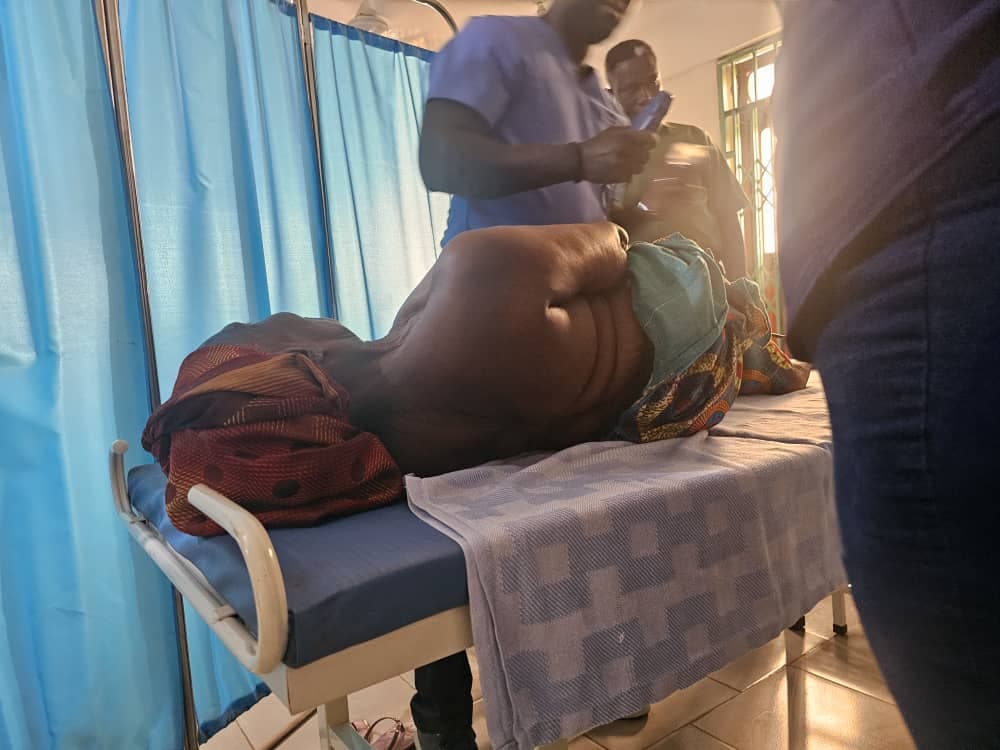
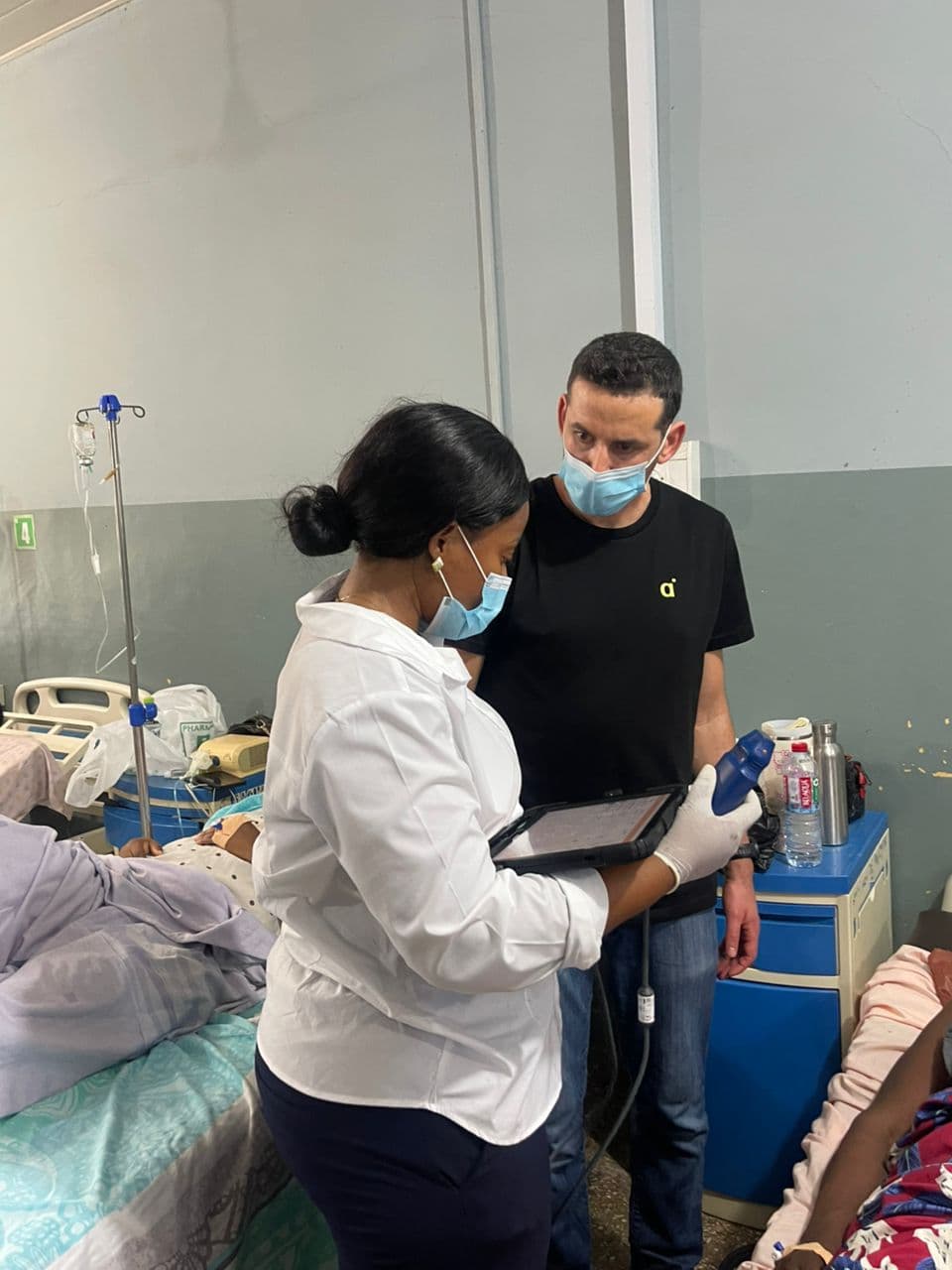
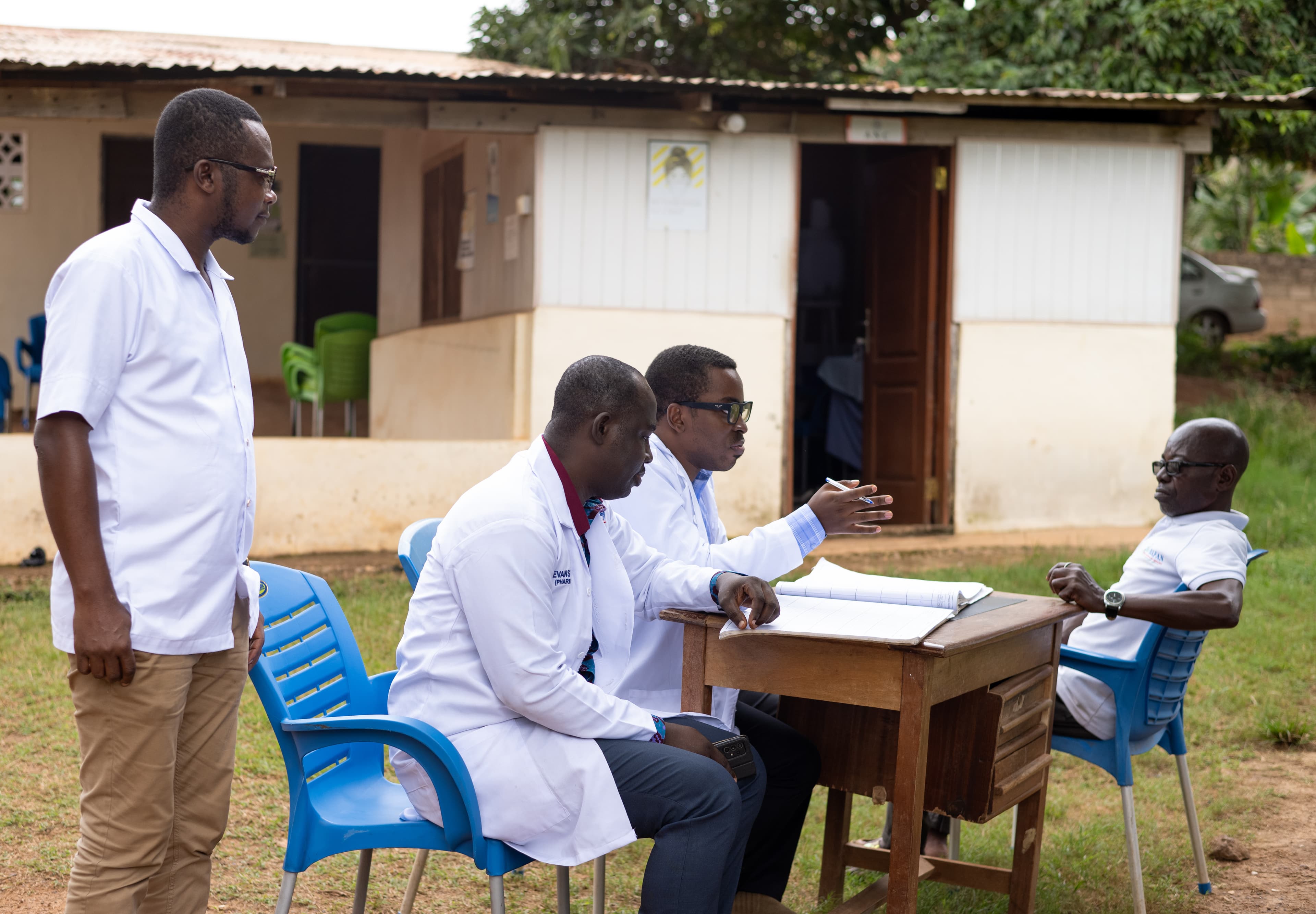
Field evidence - Site visit
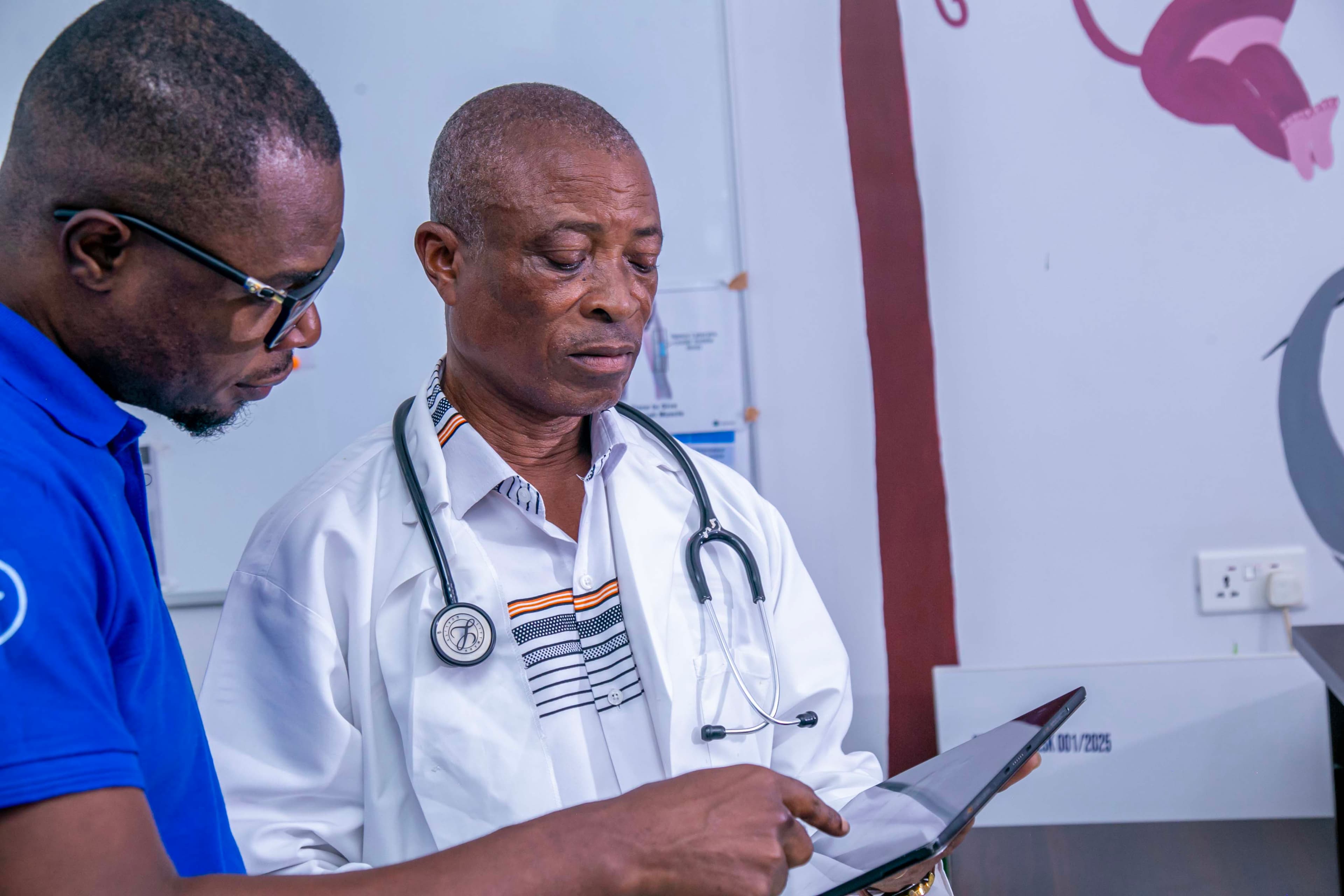
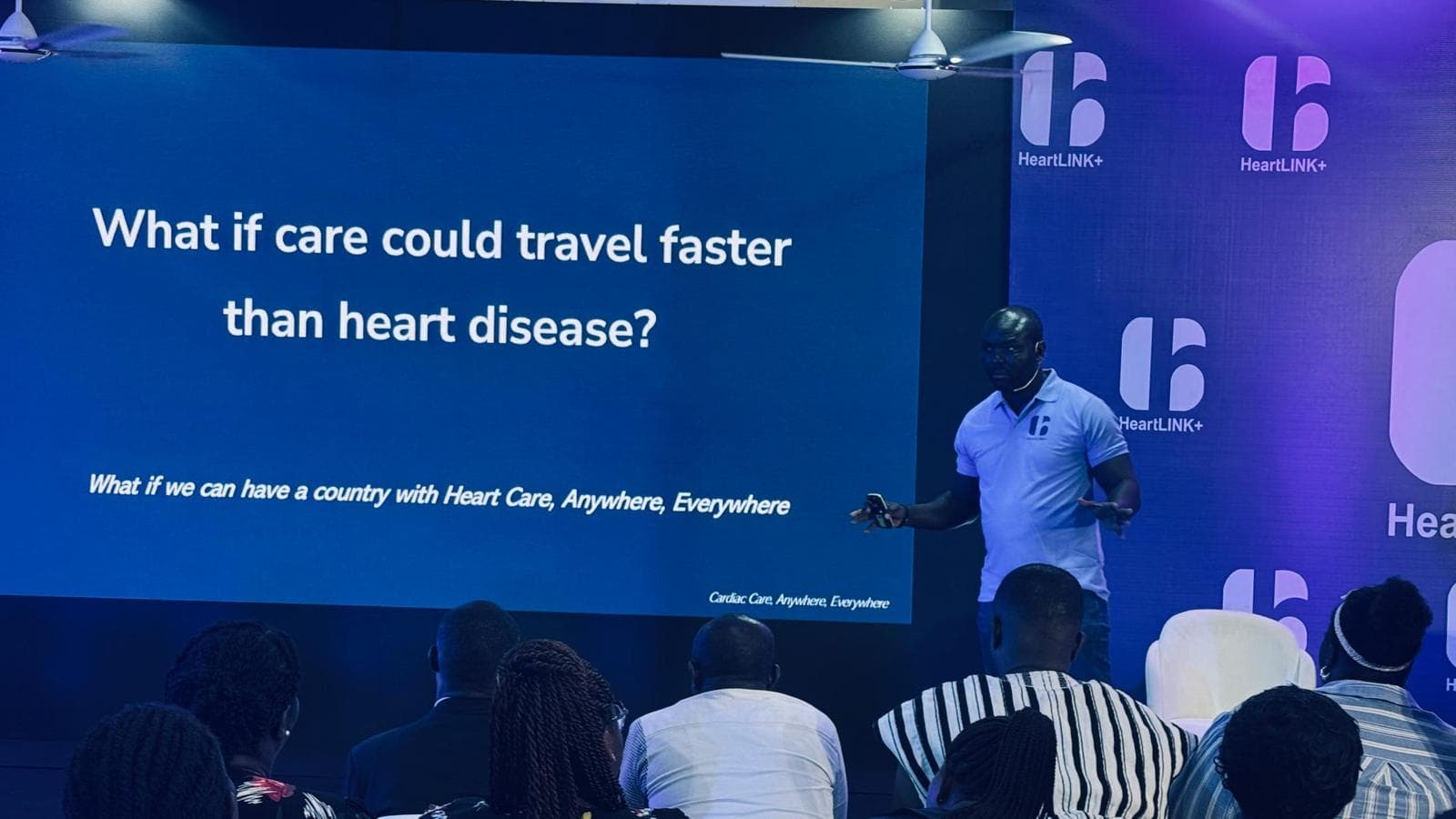
Field evidence - Implementation
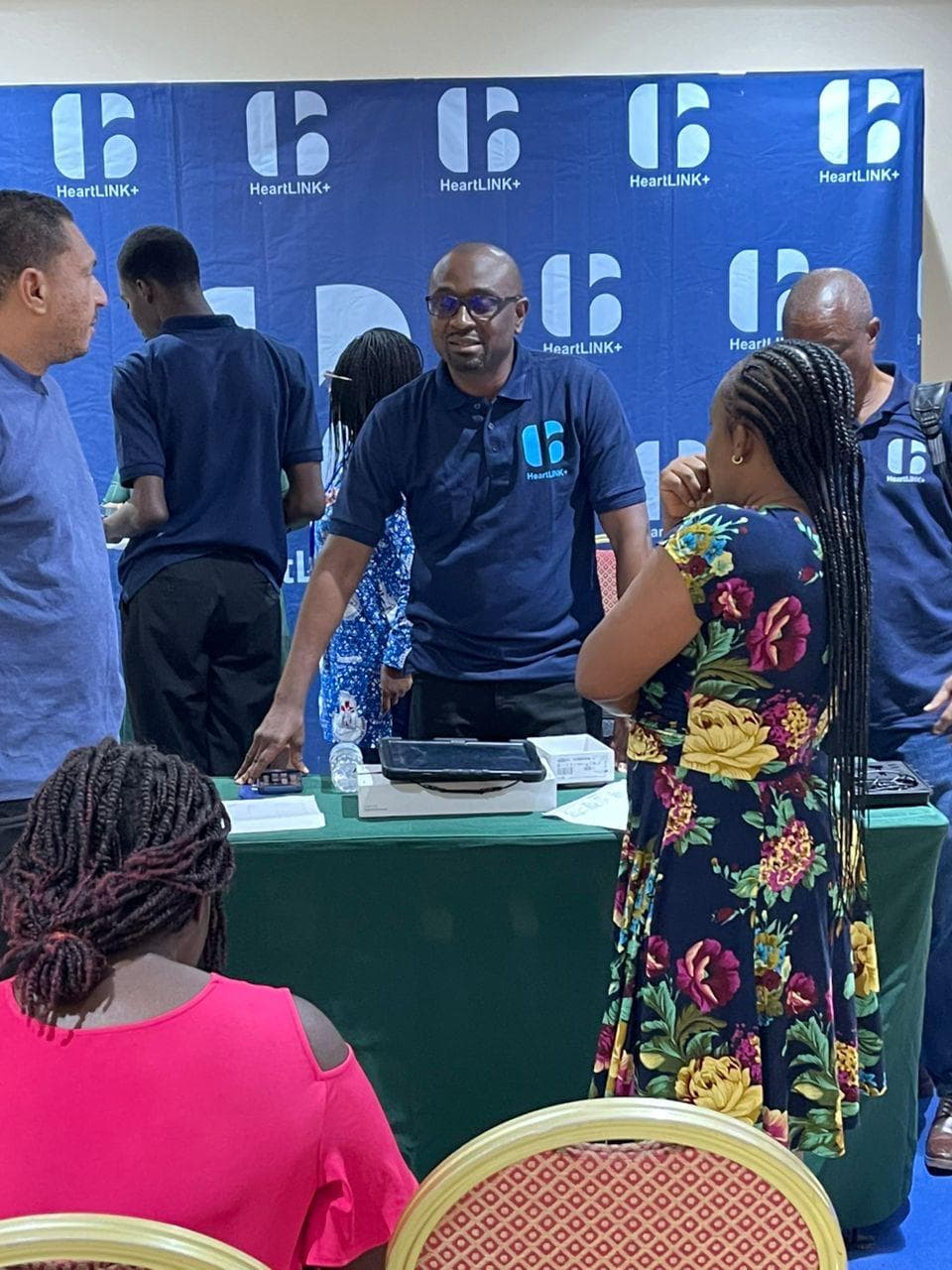
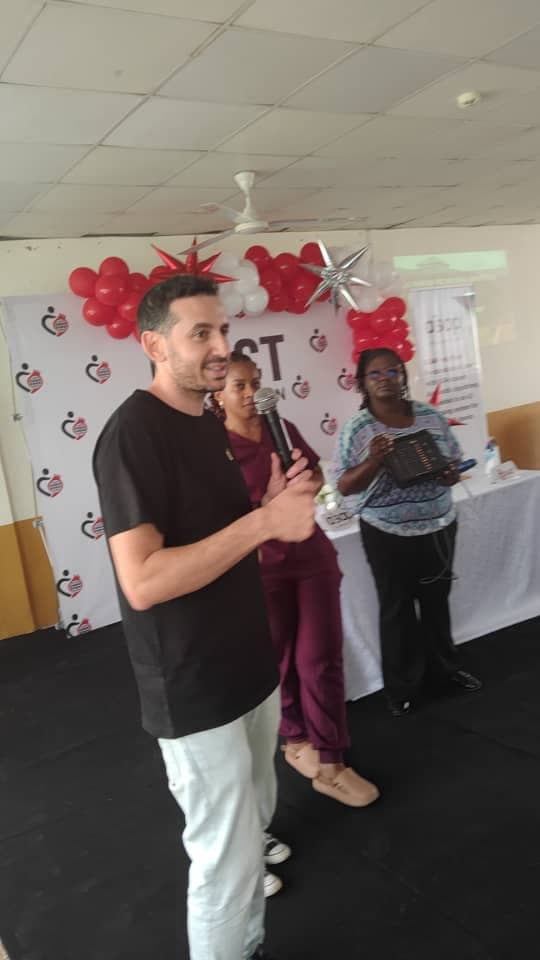
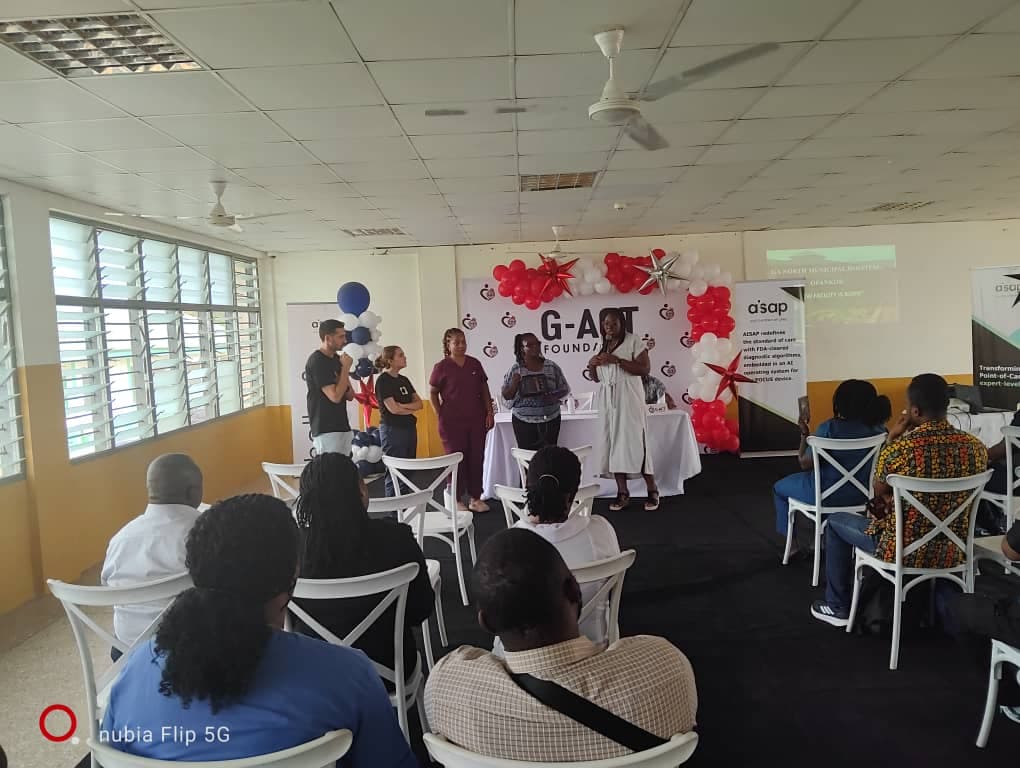
Field evidence - Health fair

Field evidence is generated through structured site visits, partner-led implementation activities, workforce training, and direct observation of cardiovascular technologies in routine clinical use.

A core implementation partner in this work is AISAP, an Israel-based digital health company and global leader in artificial intelligence enabled diagnostic solutions. AISAP collaborates with G-ACT to support implementation assessments, technology deployment, and workflow integration across diverse clinical environments, enabling rigorous evaluation of AI-supported diagnostics under real-world conditions.

Field evidence also reflects G-ACT's collaboration with EKO Health, a global leader in AI-enabled digital auscultation and connected cardiovascular diagnostics. In partnership with EKO Health, G-ACT evaluates how AI-supported stethoscopes and diagnostic algorithms can be integrated into routine care workflows, particularly in task-shifted and resource-constrained settings. This collaboration underpins studies such as DAMSUN-HF and informs broader strategies for scalable cardiovascular screening and referral.

Global Technology Partnerships

Collaborating with industry leaders to enable rigorous evaluation

Technology Partner

AISAP

An Israel-based digital health company and global leader in artificial intelligence enabled diagnostic solutions.

Core Implementation Partner
Implementation assessments
Technology deployment
Workflow integration
Rigorous evaluation of AI-supported diagnostics
Technology Partner

EKO Health

A global leader in AI-enabled digital auscultation and connected cardiovascular diagnostics.

Technology Partner
AI-supported stethoscopes integration
Diagnostic algorithms evaluation
Task-shifted care workflows
Scalable screening and referral strategies
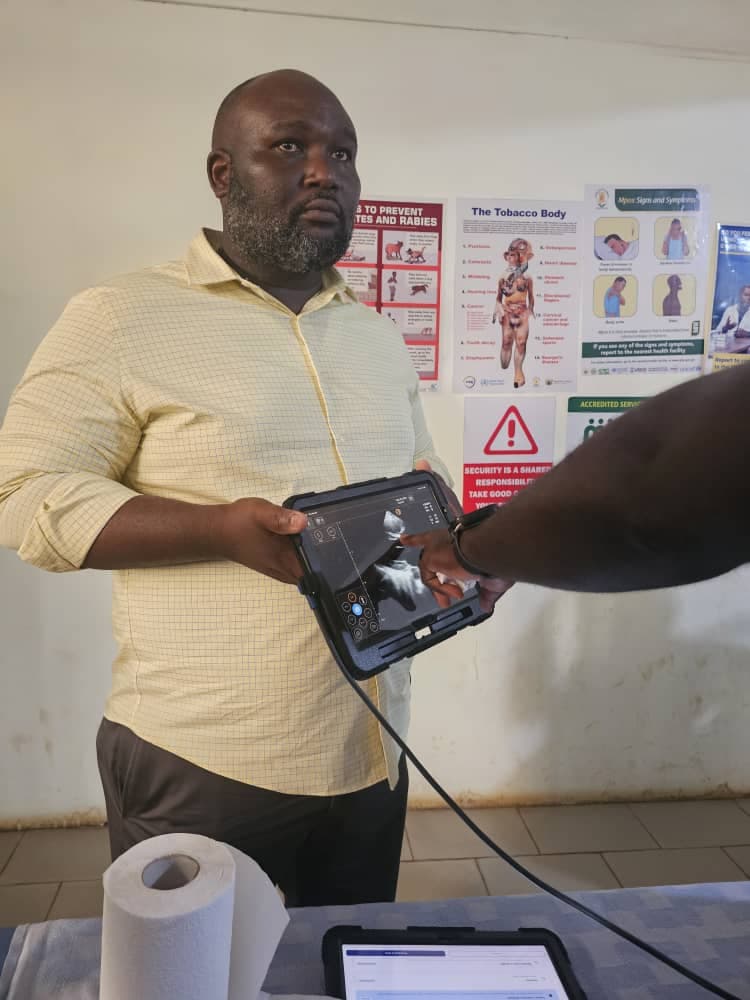
Field evidence - Ghana facilities
Field evidence - Implementation
Field evidence - Site visit
Ghana
Multiple Facilities Engaged

Field Implementation Activities

Comprehensive on-the-ground engagement across diverse settings

Structured Site Visits

Engaging frontline health facilities in Ghana, conducting structured assessments of infrastructure readiness, staffing models, digital connectivity, and referral pathways.

Multiple facilities, Ghana

Clinical Leadership Engagement

On-site visits by G-ACT physician leadership supporting mentorship, quality assurance, and alignment between research objectives and frontline clinical realities.

Global Evangelical Mission Hospital, Shai Osu Doku District Hospital

Capacity Building

Hands-on training of echocardiography technicians and sonographers, emphasizing guideline-aligned image acquisition, task-shifted service delivery, and structured referral pathways.

BEAT Program

Direct Observation

Real-world use cases providing insight into usability, provider adoption, patient flow, and system-level integration—key determinants of sustainability and scale.

Examples: Echocardiography during patient encounters, mobile ECG platforms in routine care
Field evidence - Training
Field evidence - Site visit
Field evidence - Implementation

Through joint AISAP–G-ACT site visits, teams have engaged frontline health facilities in multiple facilities in Ghana, conducting structured assessments of infrastructure readiness, staffing models, digital connectivity, and referral pathways.

These site visits generate critical implementation insights that inform study protocols, iterative refinement of deployment strategies, and pathways to scale.

Clinical leadership engagement further strengthens field implementation. On-site visits by G-ACT physician leadership to facilities such as the Global Evangelical Mission Hospital, Apromase, Ashanti Region and the Shai Osu Doku District Hospital, Eastern Region, support mentorship, quality assurance, and alignment between research objectives and frontline clinical realities.

These engagements reinforce local ownership while maintaining fidelity to evidence-based care pathways.

Implementation Outcomes

Key areas of evaluation and assessment

Infrastructure Readiness

Assessment of facility capabilities and system constraints

Workflow Integration

Evaluation of technology fit within routine clinical practice

Provider Adoption

Understanding usability and acceptance in real-world settings

System-Level Integration

Key determinants of sustainability and scale

By combining structured site assessments, global technology partnerships, workforce training, and real-world clinical observation, G-ACT ensures that its research remains grounded in practice and responsive to the realities of frontline care delivery.

Partner with Us

Real-World Evidence Real-World Impact

Together, these activities generate actionable field-based evidence that complements formal study outcomes, ensuring research remains grounded in practice.